Enterprise Trading Platform Optimization
Enterprise UX Strategy for High-Stakes Financial Workflows
Tools
Figma · FigJam · Internal Design System
Role
Product Designer (UX/UI, Interaction, Systems Design)
Project Type
Enterprise Fintech · Internal Trading Platform · Data-Dense Interfaces
Overview
This project focused on improving the usability and workflow efficiency of an internal commodities trading platform used by professional traders and risk analysts. These platforms operate in fast-paced environments where users must process large volumes of real-time data and execute transactions quickly and accurately.
I worked closely with stakeholders and domain experts to identify friction points within the trading workflow and explore ways to simplify complex interactions. The goal was to reduce cognitive load, streamline execution flows, and improve the overall responsiveness of the system while maintaining strict compliance and operational requirements.
Tools for Traders in Fast-Moving Markets
Commodities trading platforms present unique design challenges. Interfaces must surface large amounts of information while still supporting fast, confident decision-making. Traders often rely on these tools during volatile market conditions where delays or errors can have significant consequences.
During development, it became clear that several core workflows required users to navigate across multiple modules to complete a single task. Important contextual information, such as risk exposure and order details was often separated from the execution interface, requiring users to manually verify data across different screens.
This fragmented experience created unnecessary friction for users performing time-sensitive operations.
Where the Experience Started Breaking Down
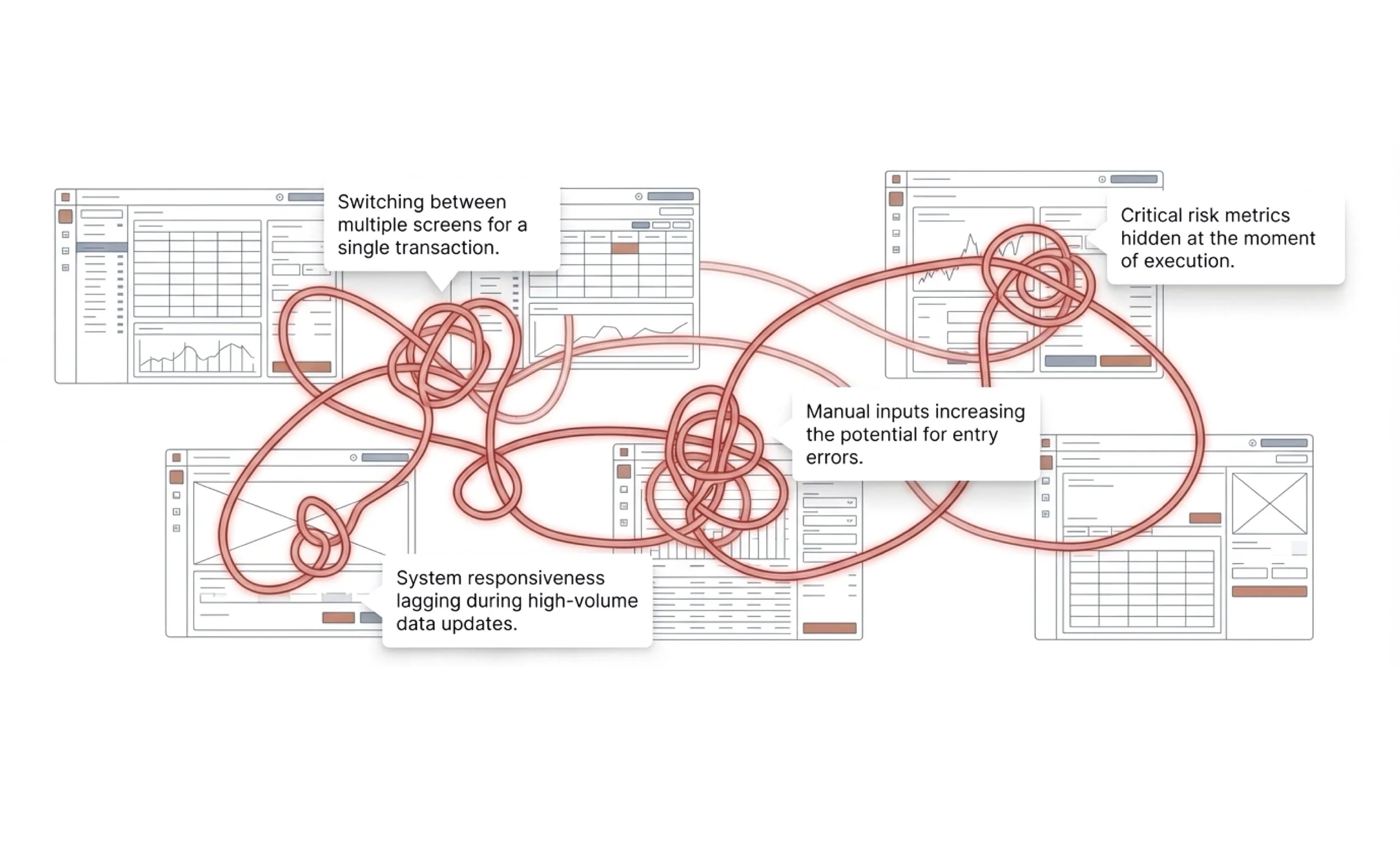
The existing system required traders to move between several views to complete a trade, increasing cognitive load and slowing execution during critical moments.
Key challenges included:
Multiple navigation steps to execute a single transaction
Fragmented visibility of risk and trade information
Manual data entry increasing potential for input errors
Occasional performance lag when rendering real-time market data
These issues made routine workflows more complex than necessary in an already demanding environment.
How Traders Actually Navigate the System
To better understand how traders interacted with the platform, I collaborated with stakeholders and observed patterns in how users navigated the system during development and testing.
Several themes emerged:
Traders often relied on personal shortcuts and familiarity with the system rather than the interface guiding them through an intuitive workflow. Important contextual information was frequently located in separate modules, requiring users to toggle between screens to verify details before executing a trade.
These observations highlighted opportunities to simplify interactions and surface critical information closer to key decision points.
Principles for Designing in High-Pressure Environments
A set of guiding principles informed improvements to the platform experience.
Reduce cognitive load
Interfaces should surface the most relevant information first, allowing traders to quickly interpret market conditions and act with confidence.
Minimize interaction steps
Core workflows should require as few interactions as possible to support rapid decision-making.
Support error prevention
Trade interfaces must include safeguards, validation, and clear system feedback to reduce costly mistakes.
Treat performance as a UX feature
Fast rendering and immediate system responses are essential in real-time trading environments.

Reducing Friction in the Trading Workflow
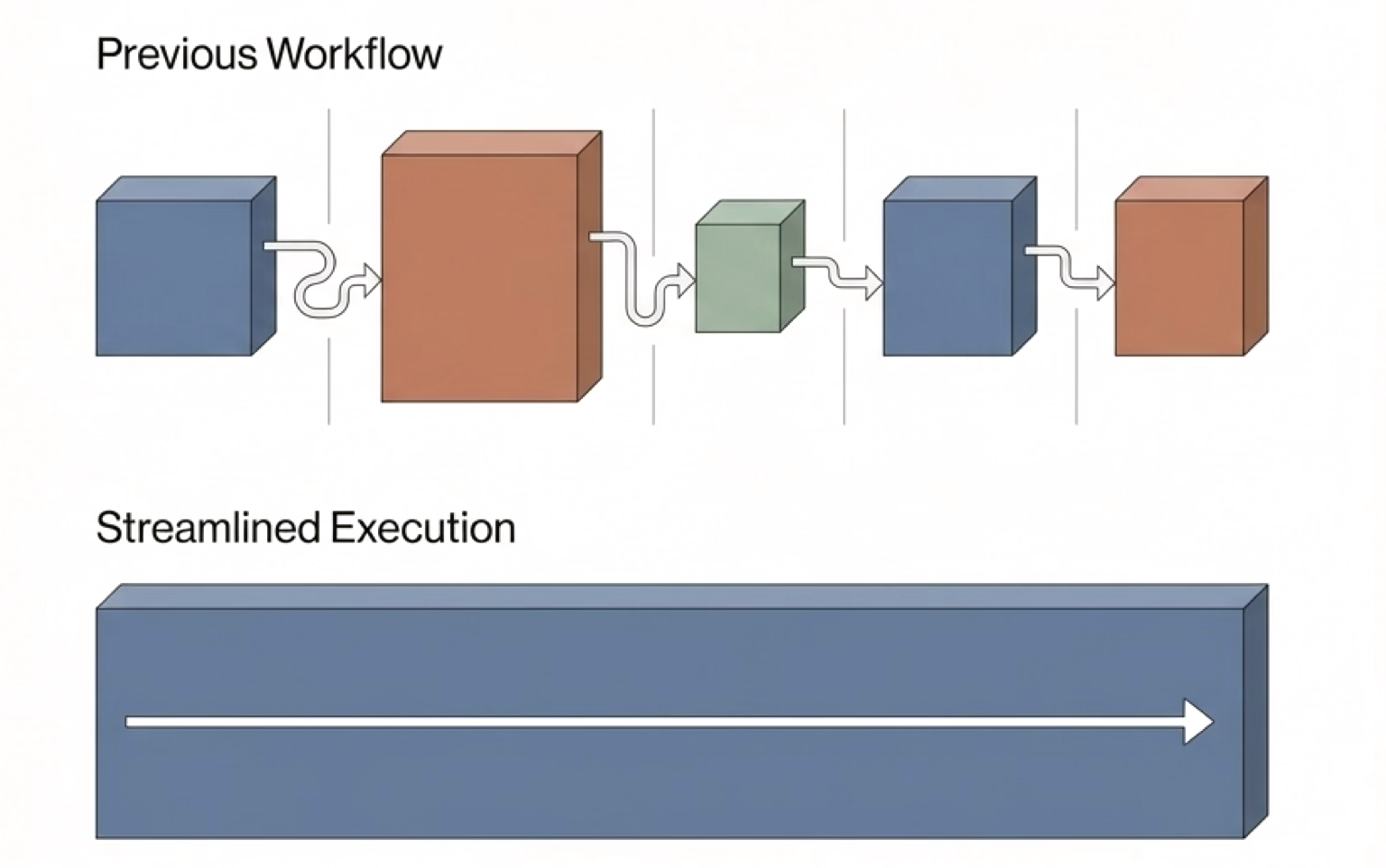
Streamlined Trade Execution
The trade execution workflow was simplified by consolidating several steps that previously required navigating across multiple modules.
By restructuring how information was presented and reducing unnecessary navigation, traders were able to move from analysis to execution more efficiently.
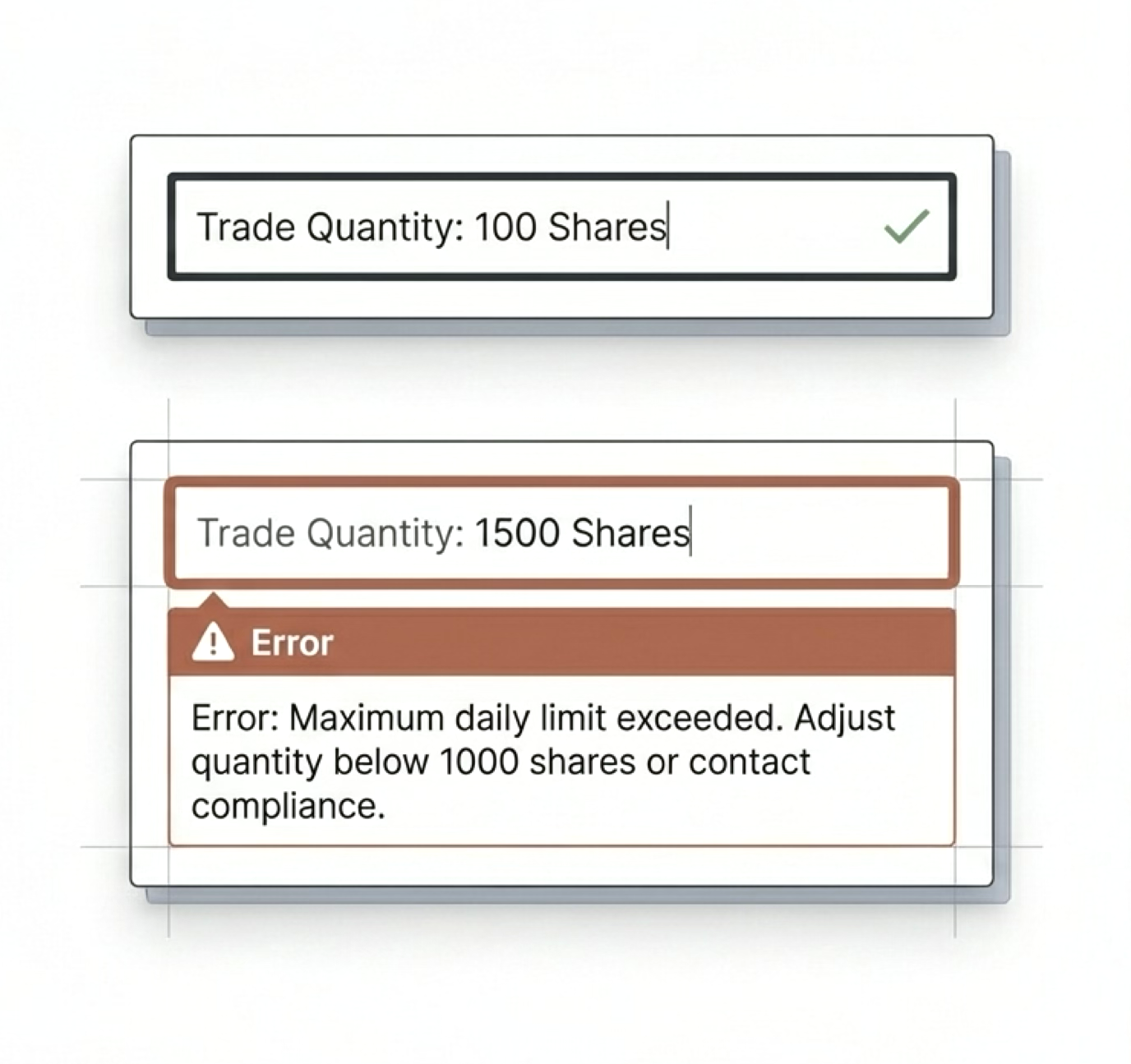
Input Validation & Error Prevention
Additional validation rules and system feedback were introduced to help reduce manual entry errors during order submission.
These safeguards improved the reliability of trade execution and helped prevent avoidable operational issues.
Performance Enhancements
Real-time trading platforms must handle constant data updates while maintaining a responsive interface.
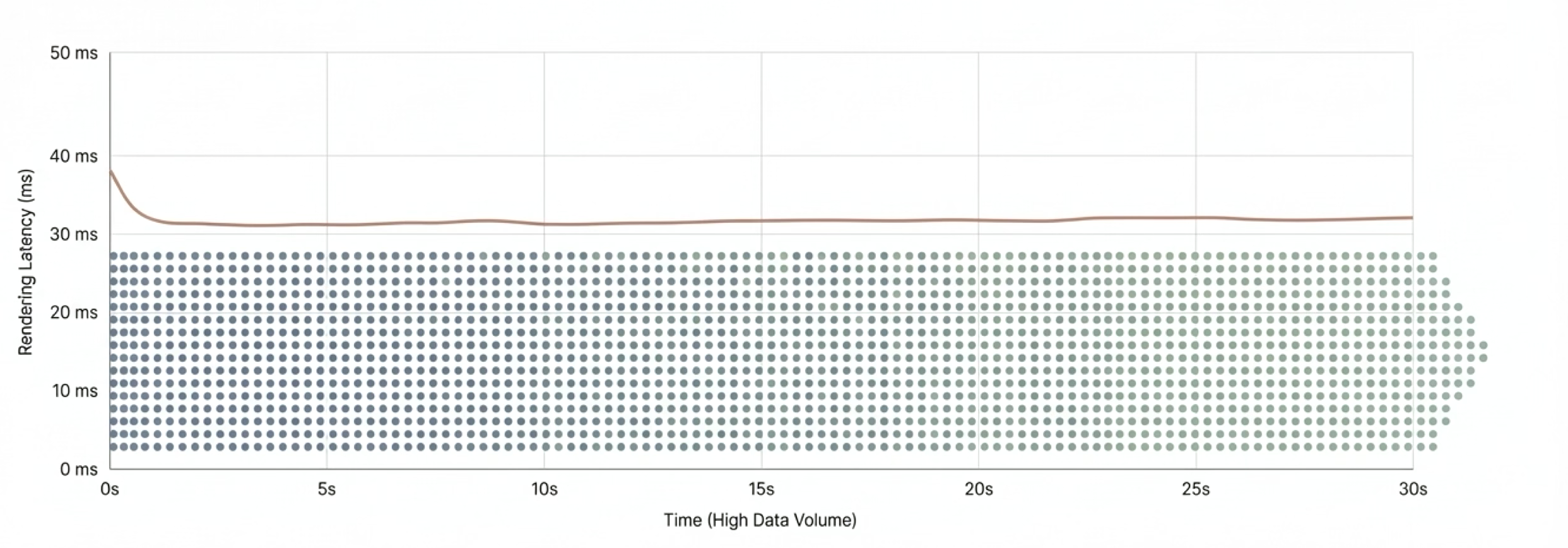
Performance optimizations improved how data-heavy components rendered during high market activity, creating a smoother experience during peak usage periods.
A Faster, More Reliable Workflow
The improvements helped create a more efficient and intuitive workflow for traders using the platform.
Results included:
Fewer steps required to execute trades
Reduced context switching between modules
Improved responsiveness during high-volume trading periods
Lower risk of manual input errors
These changes helped support faster decision-making while maintaining the reliability required in a financial trading environment.
Lessons from Designing for Complex Systems
Designing for enterprise trading systems reinforced the importance of balancing information density with clarity. Expert users rely on these tools to interpret complex data quickly, which makes thoughtful hierarchy, performance, and workflow design critical.
This project deepened my interest in designing systems that simplify complex processes and support high-stakes decision-making.
Next Up
MoneyTree: Designing Consistency in Financial Habits
Explored how adaptive AI coaching and gamification can support long-term budgeting habits, translating research insights into a focused onboarding and goal-tracking experience.